
The Enhance Foundation for Development, in partnership with CARE and with funding from the UK Foreign, Commonwealth and Development Office (FCDO), has concluded the selection process for the beneficiaries of the project "Enhancing Food Security and Economic Empowerment for Women and Girls with Disabilities and Female Breadwinners in Aden."
The Enhance Foundation for Development, in partnership with CARE and with funding from the UK Foreign, Commonwealth and Development Office (FCDO), has concluded the selection process for the beneficiaries of the project "Enhancing Food Security and Economic Empowerment for Women and Girls with Disabilities and Female Breadwinners in Aden."
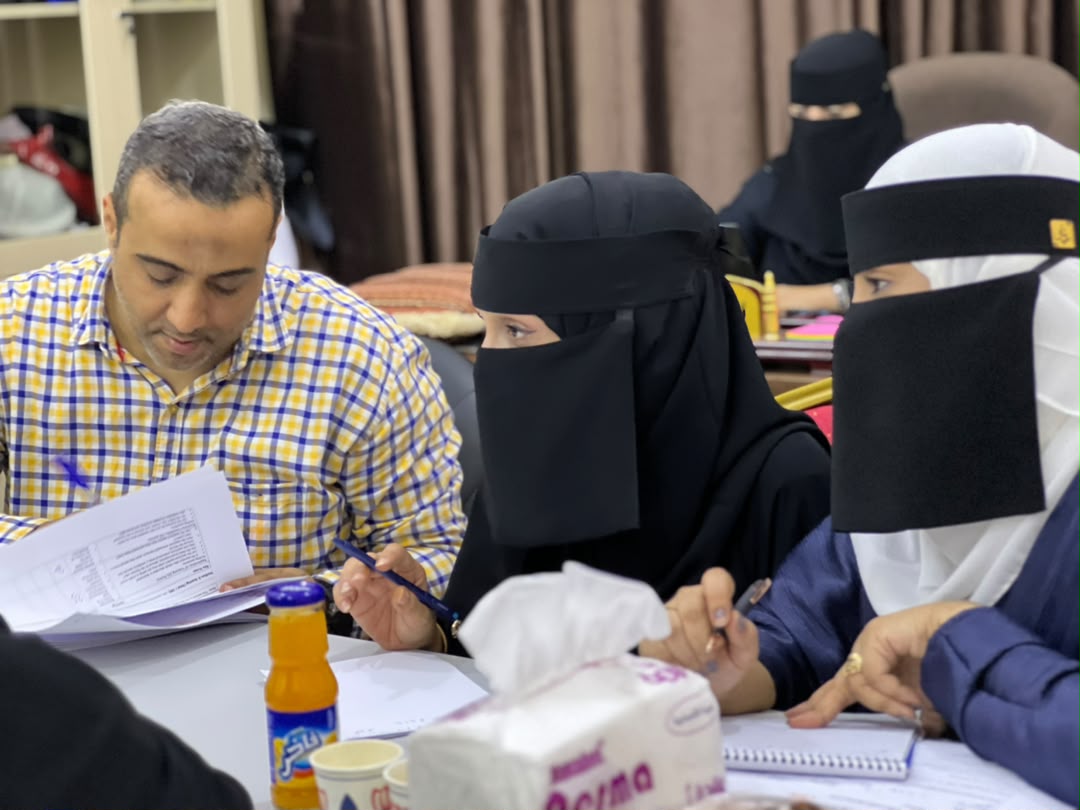
A selection committee, comprising representatives from the Taeziz Foundation for Development, the Office of Social Affairs and Labor, and the Office of Planning and International Cooperation in Aden, convened to evaluate applications submitted by candidates seeking to benefit from the project's vocational training and small grants.
The selection criteria required that applicants be women with disabilities or female heads of households, and that they either own an existing project or have a viable project idea within the food security sector (such as restaurants, bakeries, food trading, home-based food manufacturing, and related activities). Additionally, applicants were required to have an active social media presence to promote their products, with preference given to those possessing at least one year of practical experience in their respective field.
Following a thorough review and evaluation of 44 applications against the established criteria, the committee selected 30 women with disabilities and female breadwinners to receive the necessary support to develop their projects in food manufacturing and related food security activities. An additional 14 applicants have been placed on a waiting list.
Implemented by the Enhance Foundation for Development across the districts of Aden Governorate, this project aims to enhance livelihoods and foster economic empowerment for women and girls with disabilities through the provision of specialized vocational training, support for home-based food-related enterprises, and the distribution of small grants and production equipment. It also seeks to strengthen protection, accountability, and economic participation, thereby contributing to the alleviation of food insecurity and improving the income levels of targeted households.
The coming period will see the launch of training and field activities for the beneficiaries, paving the way for the disbursement of grants and support for their projects—a decisive step toward their economic empowerment and enhanced self-reliance.
A selection committee, comprising representatives from the Taeziz Foundation for Development, the Office of Social Affairs and Labor, and the Office of Planning and International Cooperation in Aden, convened to evaluate applications submitted by candidates seeking to benefit from the project's vocational training and small grants.
The selection criteria required that applicants be women with disabilities or female heads of households, and that they either own an existing project or have a viable project idea within the food security sector (such as restaurants, bakeries, food trading, home-based food manufacturing, and related activities). Additionally, applicants were required to have an active social media presence to promote their products, with preference given to those possessing at least one year of practical experience in their respective field.
Following a thorough review and evaluation of 44 applications against the established criteria, the committee selected 30 women with disabilities and female breadwinners to receive the necessary support to develop their projects in food manufacturing and related food security activities. An additional 14 applicants have been placed on a waiting list.
Implemented by the Enhance Foundation for Development across the districts of Aden Governorate, this project aims to enhance livelihoods and foster economic empowerment for women and girls with disabilities through the provision of specialized vocational training, support for home-based food-related enterprises, and the distribution of small grants and production equipment. It also seeks to strengthen protection, accountability, and economic participation, thereby contributing to the alleviation of food insecurity and improving the income levels of targeted households.
The coming period will see the launch of training and field activities for the beneficiaries, paving the way for the disbursement of grants and support for their projects—a decisive step toward their economic empowerment and enhanced self-reliance.